



How Asian Trends Are Shaping Global Fashion and Beauty Markets
How Asian Trends Are Shaping Global Fashion and Beauty Markets
The Rise of Asian Influence in Global Fashion and Beauty
With global fashion and beauty booming, understanding the cultural dynamics and market preferences driving these trends is essential. From power suits and business attire, to glam looks on a night of celebration, people like to make a good impression and express their best selves. As of 2024, the global beauty industry is projected to reach an impressive revenue of $646.20 billion, and the global fashion industry is currently valued at around $770 billion. High consumer demand namely in regions such as Europe, North America, and Asia-Pacific drive this, wherein prosperous Millennials and Gen Z consumers from Asia have shifted the global luxury market. They have acquired a desire to indulge themselves with the finer things in life, from fashion to exquisite dining (Sublimio).
Eastern and Western cultures differ in their approach to fashion and beauty. While Western consumers value expression, individualism, and innovation, Eastern consumers are more drawn to ‘products rooted in tradition and with a legacy of trust’ (Kadence). E-commerce has furthered the openness between East-West, evolving market trends and brand strategies, through cultural traditions and digital advancements.
Bringing the talent and innovation of both cultures together unlocks immense potential for growth and access to a much larger audience – what business wouldn’t want to seize that opportunity?
Key Factors Driving the Popularity of Eastern Brands
One of the most significant drivers of the East-West exchange is the cultural allure that Eastern brands bring. The West is particularly captivated by the rich cultural narratives these brands weave into their offerings, blending tradition with modernity. This fascination has reached new heights with the rise of social media and the increasing accessibility of global information.
For instance, K-Beauty and J-Beauty have gained immense popularity through their authentic approaches, using innovative ingredients and technology to address skin and health concerns. Japanese skincare brands like Shiseido, SK-II, and Shu Uemura are prime examples, where success is deeply tied to a commitment to cultural values and historic rituals, utilising ingredients such as camellia oil, antibacterial green tea, and anti-aging cherry blossom. (MSB).
What sets East Asian fashion and beauty brands apart is their relentless innovation, launching new products at a high frequency. Western brands have taken note, capitalising on how Chinese brands quickly adapt to emerging technologies and marketing practices on social and e-commerce platforms (Beauty Matter). Chanel, for example, has strategically targeted the Korean market, leveraging the influence of K-pop stars in its campaigns to tap into the region’s cultural momentum. (Martin Roll).
Sustainability has become a cornerstone of this appeal, as consumers increasingly prioritise eco-conscious and ethical practices. Eastern brands reflect this shift through eco-friendly packaging, organic and natural ingredient sourcing, and efforts to support local communities and preserve biodiversity (Burda Luxury).
In summary, Eastern brands succeed in the West by merging cultural authenticity, innovation, and sustainability, appealing to modern consumers. Therefore, how can we further integrate these elements and foster collaboration to enhance this success?
Maximising East-West E-Commerce Partnerships for Cross-Continental Market Expansion
Known for their innovation and luxury, Eastern brands can enhance their expansion into Western markets through strategic partnerships with established Western companies. These collaborations leverage Western brands’ local expertise and consumer insights, allowing Eastern brands to adapt their strategies and better resonate with Western consumers, thereby fostering deeper engagement and loyalty.

Uniqlo exemplifies this approach. Originating in Japan, Uniqlo initially focused on regional growth before expanding globally. Its success in Western markets, including the United States and the United Kingdom, is attributed to its ability to balance core values with local preferences. Uniqlo’s use of localisation strategies and innovative fashion technology has been key to its global reach, with over 2,000 stores worldwide.
Effective partnerships often involve advanced e-commerce technologies, such as optimised logistics and data analytics, which help brands adapt to diverse market dynamics. Addressing challenges like regulatory differences and cultural variations through strategic alignment ensures successful integration. By fostering strong alliances and adapting strategies based on cross-cultural insights, Eastern and Western brands can unlock new opportunities, driving sustainable growth and success in the global market.
Looking Ahead: The Future of Global Fashion and Beauty Trends
In conclusion, Eastern beauty and fashion brands are making a significant impact on the global stage through their unique fusion of cultural heritage, innovation, and sustainability. Their appeal to Western consumers is driven by a combination of traditional values and modern advancements, creating a compelling market presence.
Strategic partnerships that bridge Eastern creativity with Western expertise are further enhancing this success. By adapting to local preferences and leveraging cross-cultural insights, Eastern brands can strengthen their market presence and build lasting consumer loyalty. Uniqlo’s international expansion exemplifies the potential of such collaborations

As we look to the future, the continued integration of these cultural and strategic elements will be crucial. Promoting further collaboration and staying attuned to global trends will enable Eastern brands to sustain their growth and explore new opportunities in the dynamic global landscape.
To explore more on how cross-border business is evolving, join our community – we’re just getting started on this exciting journey.
Sign up now and claim your free eSIM data plan!

Olympic Sponsorships at Paris 2024: The Influence of International Consumers
Olympic Sponsorships at Paris 2024: The Influence of International Consumers
Reflecting on Paris 2024: Iconic Moments and the Impact of Olympic Sponsorships
What’s your favourite Olympic memory from Paris 2024?
As we anticipate the upcoming Paralympics, many are reflecting on the unforgettable moments from the Games. A century after 1924, Paris had the chance to host the Olympics once again, not only as a celebration of athletic excellence and global unity, but as an exhibition for the power of Olympic sponsorships in connecting international consumers. Renowned for its style, historical landmarks, and romance, the city did not shy away from showcasing these elements in the eccentric opening ceremony, set along the Seine River and framed by the iconic silhouettes of the Eiffel Tower and Notre-Dame.

But the Olympics have evolved far beyond a mere sports event; they have become a global phenomenon that transcends borders. Whether you cheered for your country live, caught a viral clip of the Australian break-dancer online, or heard a quip from a friend, the Games touched lives worldwide. With 206 nations competing and approximately 10,500 athletes striving for gold this year, the Olympics have increasingly served as a platform for promoting equality, cultural appreciation, and creating valuable international business opportunities. A central theme this year has been the global influence between Eastern and Western countries, especially the strategic role Olympic sponsorships play in shaping global consumer behaviour.
Global Influence: Bridging the Gap Between the East and West
The modern Olympics initially gained prominence in the West, focusing on sports like track and field, swimming, and gymnastics. Over time, however, the spirit of interdependence and competition has fostered a deeper connection with the East, embracing traditional Eastern sports such as karate and wushu. This growing interconnectedness has enriched the Olympic experience, creating new opportunities for cultural exchange and business growth for athletes, coaches, and spectators alike.
One significant impact of the East-West cultural exchange is the broadened international viewership, particularly from the Asian market. Recognising the vast potential of the audience, Western brands have adapted their marketing strategies to resonate more deeply with Eastern values in terms of storytelling, community, and emotional connection.
Nonetheless, the East must also receive a fair trade-off. Globalisation has brought increased attention to traditional Eastern sports such as martial arts, badminton, and table tennis, raising their international popularity and exposure. Notably, the 2008 Beijing Olympics was a landmark event, showcasing China’s extraordinary talent as they surpassed the medal tally for the first time, highlighting the rise of the East in the global sports arena.
So, how exactly do these cultural interactions take hold of the Olympic sponsorships? How does this collaboration make brands resonate across the world? We will delve deeper into the next section as we discuss in detail the international power of the Olympic sponsorships and their role in bridging cultural divides.
The International Power of Olympic Sponsorships
With the Olympics reaching more countries, sponsorships have become a key strategy for brands to maximise their impact on this global stage. The evolving dynamics between Eastern and Western cultures significantly influence how brands engage their audiences through sponsorship.
The inclusion of sports from both the East and West, along with increased cultural cooperation, has expanded the event’s cultural reach. This shift also creates new opportunities for sponsorships to resonate with a more global audience. For instance, Coca-Cola, a long-time Olympic sponsor, demonstrated this during the 2008 Beijing Olympics with its ‘Coca-Cola China Beat’ campaign. By blending traditional Chinese music with modern pop culture, Coca-Cola bridged cultural gaps and connected both Western and Eastern audiences.
Similarly, Samsung used its sponsorship of the 2018 PyeongChang Winter Olympics to showcase both its technological innovation and Korean culture. The ‘Do What You Can’t’ campaign emphasised determination and innovation, celebrating Korean heritage while reinforcing Samsung’s global brand image. This example illustrates how adapting to local cultural values can enhance a brand’s global presence.
Alibaba also leveraged its sponsorship of the 2020 Tokyo Olympics with the ‘To the Greatness of Small’ campaign, which celebrated small businesses and individual achievements. By combining Eastern values of community with Western ideals of personal success, Alibaba effectively engaged a global audience.
In essence, Olympic sponsorships transcend borders, bridging cultural gaps and capturing the attention of a unified global audience. They offer brands the chance to strengthen their global presence and foster deeper connections with consumers worldwide by aligning their strategies with the cultural diversity showcased at the Olympics.
Business Opportunities: Uniting East and West for Global Growth
Olympic sponsorships have evolved into powerful opportunities for brands to connect with a global audience, thanks to the growing collaboration between Eastern and Western nations.
One of the most exciting developments is the exchange of coaching expertise and sports science. Chinese coaches are now training Western athletes in disciplines like gymnastics and table tennis, while Western coaches are helping Eastern nations excel in sports such as football and athletics. This partnership fosters joint training camps and shared advances in sports technology, with Japan’s robotics innovations and Western AI-driven performance analysis benefiting athletes worldwide.

Economic collaborations further strengthen these ties. Western brands are increasingly investing in Eastern markets, while Eastern companies like Samsung and Alibaba are making significant inroads in the West. These partnerships not only elevate brand presence but also create deeper connections with diverse consumer bases. Additionally, collaborative efforts in broadcasting ensure that Olympic content reaches fans around the world, enhancing the impact of sponsorships.
By embracing the synergy between East and West, brands can tap into a vast, culturally diverse audience, ensuring their message resonates globally. This dynamic partnership not only enhances athletic excellence but also opens new avenues for business growth, making Olympic sponsorships a truly global opportunity.
Final Thoughts: How Olympic Sponsorships Enhance International Business
The Paris 2024 Olympics have shown us that when East and West come together, incredible things happen – on and off the field. Brands like Coca-Cola, Samsung, and Alibaba have used their sponsorships not just to market products but to connect with a global audience on a deeper level, celebrating their shared values while respecting differences.
As we look to the future, the key to successful Olympic sponsorships will be continuing this cultural exchange, finding fresh, innovative ways to resonate with diverse audiences. The blend of tradition and technology will only grow stronger, creating more meaningful and immersive experiences for consumers worldwide.
In the end, it’s clear that by working together, East and West can achieve extraordinary global success. And as the world becomes even more connected, these partnerships will pave the way for new opportunities and growth.
To explore more on how cross-border business is evolving, join our community – we’re just getting started on this exciting journey.
Sign up now and claim your free eSIM data plan!

Transforming the Hospitality Industry with Cross-Border Solutions
Transforming the Hospitality Industry with Cross-Border Solutions
Enhancing Global Efficiency and Innovation
Worldwide, the hospitality and customer service industry remains unwavering. As we focus on transforming the hospitality industry, it’s notable that this sector employs around 330 million people globally, which encompasses an impressive 10% of international employment. As it gradually recovers from the impacts of the COVID-19 pandemic, the global hotel industry is valued at approximately $717 billion in 2024. Furthermore, 78% of businesses have already integrated AI-powered solutions into their operations (Sherpera). In this context, transforming the hospitality industry by optimising financial efficiency across borders has become increasingly critical. To address this need, CrossBorderBoost offers a strategic solution to enhance operational effectiveness and financial performance within this dynamic industry.

How CrossBorderBoost Actively Transforms the Hospitality Industry
Our group company has been working in hospitality order and payment systems since 2016, leveraging the most cutting-edge technologies to ensure we deliver unparalleled service and solutions. Over the years, we’ve accumulated a wealth of experience and expertise, allowing us to develop robust systems that meet the evolving needs of the hospitality industry. Our innovative approaches have helped streamline operations, enhance guest experiences, and optimise financial performance for numerous clients from small merchants to group companies such as LVMH, Marriott International, Hilton Worldwide, and InterContinental Hotels Group. By staying at the forefront of technological advancements, we guarantee that our solutions are not only current but also future-proof, providing our clients with the competitive edge they need to thrive in a dynamic market.
Nevertheless, interacting with international guests and vendors can present various challenges. Even so, leveraging cross-border services provides significant benefits. Ensuring operational efficiency is essential for achieving the industry’s goals of guest satisfaction and profitability.
Key Strategies for Enhancing Hospitality with CrossBorderBoost
- Access to Global Talent – CBB connects hotels with a diverse pool of global professionals, from skilled hotel managers and culinary experts to IT specialists. This access to international talent enhances guest experiences and operational efficiency by integrating innovative ideas and expertise.
- Cost Efficiency – Managing expenses is crucial for profitability. By utilising cross-border services through HUBFX, hotels and service providers can access high-quality services at competitive prices. This not only reduces operational costs but also elevates service standards.
- 24/7 Operations – Guests and clients expect their needs to be met around the clock. Global operations with CBB ensure continuous service across different time zones, enabling hotels to address queries and issues promptly, no matter the hour.
- Market Expansion – Expanding into new markets requires a deep understanding of local cultures and regulations. CBB connects businesses with local experts who offer valuable insights into regional preferences and compliance. Therefore, this smooths the entry process into new markets.
- Innovation and Diversity – Diverse teams spark innovation. CBB brings together professionals with varied skills and perspectives, progressing creativity and problem-solving. This global approach helps businesses tailor their services to meet the distinct needs of versatile markets.
- Risk Mitigation – Diversifying services across various regions helps mitigate risks associated with local disruptions. CBB aids hospitality businesses in distributing operational dependencies, safeguarding against potential interferences and ensuring continuity.
- Scalability – As hospitality businesses grow, scalable services are essential. CBB provides access to adaptable services that align with the expanding needs of businesses, facilitating smooth and efficient growth.
Final Thoughts on Innovating the Hospitality Industry
In summary, by integrating CrossBorderBoost, businesses in the hospitality and customer service sectors can navigate global financial management complexities more effectively. This inclusive and innovative approach enhances financial efficiency while simultaneously elevating guest experiences, driving growth in a highly competitive market. Ultimately, the expanding community built through CrossBorderBoost is dedicated to advancing cutting-edge solutions, ensuring seamless integration and providing the expertise needed to thrive in the ever-evolving hospitality landscape.
Join our community for more insightful posts like these!

Breaking Down Today’s Top News for Cross-Border Service Providers
Breaking Down Today’s Top News for Cross-Border Service Providers
Introduction
In the rapidly evolving world of cross-border services, staying on top of global news is essential. From changes in trade regulations to technological advancements, today’s headlines can significantly impact how cross-border service providers operate. This blog dives into the most critical news stories of the day, offering insights and analysis for businesses navigating the complexities of international markets.

Global Trade Trends: A Surge in Cross-Border E-Commerce
The Rise in Global E-Commerce
Today’s headline story revolves around the remarkable growth of cross-border e-commerce. According to the latest reports, global cross-border online sales have surged by 25% in the first half of 2024. This growth is attributed to increased consumer confidence in online shopping and improvements in international shipping logistics.
Key Drivers:
- Enhanced Logistics: Innovations in supply chain management and faster shipping options.
- Consumer Behavior: Growing trust in international sellers and the expanding range of available products.
- Regulatory Support: Governments simplifying customs processes to promote trade.
Implications for Service Providers: Companies should leverage these trends by optimizing their shipping strategies and expanding their market reach to tap into new customer bases.
Changes in International Tax Policies: What You Need to Know
New VAT Regulations in the EU
Today, the European Union announced updates to its VAT regulations that affect non-EU e-commerce sellers. The new rules require sellers to collect VAT on all goods sold to EU customers, regardless of the order value. This change aims to level the playing field between EU and non-EU businesses.
Key Points:
- Threshold Elimination: Removal of the €22 VAT exemption threshold.
- One-Stop Shop (OSS): Introduction of a simplified VAT collection system for non-EU sellers.
Implications for Service Providers: Non-EU sellers must register for VAT in the EU, adapt their pricing models, and integrate compliance solutions into their operations.
Technology and Innovation: Blockchain for Cross-Border Payments
Blockchain’s Role in Streamlining Payments
A major development in the technology sector today is the adoption of blockchain for cross-border payments. Several leading financial institutions have announced successful trials of blockchain platforms that promise faster and cheaper international transactions.
Benefits:
- Speed: Transactions settled in minutes instead of days.
- Cost: Reduced transaction fees compared to traditional banking systems.
- Transparency: Improved tracking and security of payments.
Implications for Service Providers: Adopting blockchain technology can enhance transaction efficiency, reduce costs, and provide a competitive edge in international markets.
Political Developments: Impact on Cross-Border Relations
US-China Trade Tensions Escalate
Today’s political news highlights escalating trade tensions between the US and China. New tariffs imposed by both countries are expected to affect several sectors, including technology and consumer goods.
Key Developments:
- Tariff Increases: Higher duties on a range of products, impacting pricing and supply chains.
- Trade Negotiations: Ongoing talks to resolve disputes, with uncertain outcomes.
Implications for Service Providers: Companies involved in US-China trade should prepare for potential disruptions by diversifying suppliers and exploring alternative markets.
Market Opportunities: Expanding in Emerging Economies
Growth in Southeast Asian Markets
Today’s market news reveals significant growth in Southeast Asian economies, presenting new opportunities for cross-border service providers. Countries like Vietnam, Indonesia, and the Philippines are seeing a rise in consumer spending and digital adoption.
Market Highlights:
- Economic Growth: Rapid GDP growth and increasing consumer wealth.
- Digital Economy: Expansion of internet access and mobile commerce.
Implications for Service Providers: Businesses can capitalize on these opportunities by tailoring their services to local market needs and investing in digital marketing strategies.
FAQs
How can cross-border service providers adapt to new VAT regulations in the EU? Providers should register for VAT under the One-Stop Shop (OSS) system and integrate tax compliance software to streamline the process.
What are the benefits of using blockchain for cross-border payments? Blockchain offers faster transaction speeds, lower costs, and enhanced transparency, making it a valuable tool for international payments.
How can businesses mitigate risks from US-China trade tensions? Diversify supply chains, explore new markets, and stay informed about policy changes to reduce dependency on US-China trade.
What opportunities exist in Southeast Asian markets for cross-border services? With rising consumer spending and digital adoption, there are opportunities in e-commerce, fintech, and digital services tailored to local preferences.
How has global e-commerce growth impacted cross-border trade? The surge in online sales has expanded market reach for businesses, necessitating improvements in logistics and compliance with international regulations.
What strategies can service providers use to succeed in emerging economies? Invest in local market research, adapt offerings to meet local demand, and leverage digital marketing to engage consumers.
Lastly…
Today’s news underscores the dynamic nature of cross-border services, with developments in e-commerce, taxation, technology, and international relations shaping the landscape. Service providers must stay agile and informed to navigate these changes successfully, seize new opportunities, and maintain a competitive edge in the global market.

Offer Premium Service and Experience
In today’s competitive business landscape, standing out from the crowd requires more than just providing excellent products or services. To attract high-ticket clients and build a loyal customer base, you need to offer a premium service and experience that exceeds expectations. Here’s how you can implement this strategy effectively to elevate your business.
The Importance of Offering Premium Service and Experience
High-ticket clients are willing to pay a premium for exceptional service and a seamless experience. They value quality, attention to detail, and a personalised touch. By delivering a superior service, you not only meet their expectations but also create memorable experiences that foster loyalty and encourage referrals.
Steps to Offer Premium Service and Experience
- Understand Your Clients’ Needs and Expectations
- Conduct thorough research to understand the specific needs, preferences, and pain points of your high-ticket clients. Use this information to tailor your services and interactions.
- Personalise Your Service
- Personalisation is key to creating a premium experience. Address clients by their names, remember their preferences, and tailor your services to meet their unique requirements. Personalised follow-ups and check-ins can also make a significant impact.
- Invest in Quality
- Ensure that every aspect of your service, from the materials you use to the way you present your deliverables, reflects high quality. High-ticket clients expect nothing less than the best, so don’t cut corners.
- Provide Exceptional Customer Support
- Premium service includes top-notch customer support. Be readily available to address any concerns or questions your clients might have. Offer multiple channels for support, such as phone, email, and live chat, and ensure prompt and courteous responses.
- Create a Seamless Experience
- From the first point of contact to the final delivery, ensure a smooth and hassle-free experience. Streamline your processes, use user-friendly platforms, and eliminate any potential friction points that could disrupt the client’s journey.
- Go Above and Beyond
- Exceed your clients’ expectations by going the extra mile. This could be through small gestures like thank-you notes or unexpected bonuses, or larger initiatives like offering exclusive access to new services or products.
- Seek and Act on Feedback
- Regularly solicit feedback from your clients to understand their experience and identify areas for improvement. Act on this feedback to continuously enhance your service and address any issues promptly.
Benefits of Offering Premium Service and Experience
- Increased Client Satisfaction: High-quality, personalised service leads to happier clients who are more likely to remain loyal and continue using your services.
- Stronger Brand Reputation: A reputation for providing exceptional service and experience can help you stand out in your industry and attract more high-ticket clients.
- Higher Referrals: Satisfied clients are more likely to refer you to their network, leading to increased word-of-mouth marketing and new business opportunities.
- Justified Premium Pricing: When clients perceive your service as premium, they are more willing to pay higher prices, allowing you to increase your revenue and profitability.
Conclusion
Offering a premium service and experience is a powerful strategy to attract and retain high-ticket clients. By understanding your clients’ needs, personalising your service, and ensuring every interaction is of the highest quality, you can create a memorable experience that sets your business apart.
At Cross-Border Boost and Growth, we believe in the power of premium service to drive business success. Stay tuned for more strategies and insights to help you grow your business on a global scale.
Ready to streamline your international payments and support your growth? Explore how HUBFX can help at crossborderboost.com.
Let’s elevate your business together!

Network Strategically to Elevate Your Business

In today’s hyper-connected world, the adage “It’s not what you know, but who you know” rings truer than ever. Strategic networking can be a game-changer for service providers looking to attract high-ticket clients and scale their business. By forging connections with influencers, industry leaders, and potential clients through various networking avenues, you can open doors to lucrative opportunities and invaluable referrals. Here’s how you can leverage strategic networking to boost your business.
The Importance of Strategic Networking
Networking is more than just attending events and exchanging business cards. It’s about building meaningful relationships that can lead to business growth and development. Strategic networking involves identifying and connecting with individuals who can directly or indirectly influence your business success. This includes potential clients, industry influencers, and other professionals who can provide valuable insights or referrals.
Steps to Network Strategically
- Identify Key Players in Your Industry
- Start by researching and identifying key influencers, thought leaders, and decision-makers in your industry. These are the people who have a significant impact on the market and can potentially influence your business’s growth.
- Attend Networking Events and Conferences
- Participate in industry-specific events, seminars, and conferences. These gatherings are goldmines for meeting like-minded professionals and potential clients. Prepare a clear pitch about your business and be ready to engage in meaningful conversations.
- Leverage Online Communities
- Join online forums, social media groups, and professional networks related to your industry. Platforms like LinkedIn are particularly valuable for connecting with professionals and showcasing your expertise.
- Engage with Industry Leaders
- Follow industry leaders on social media, comment on their posts, share their content, and engage in discussions. This can help you get noticed and gradually build a relationship with them.
- Offer Value First
- When networking, focus on how you can provide value to the other person rather than immediately seeking what they can do for you. Offering insights, sharing useful resources, or providing assistance can help establish a positive and lasting impression.
- Follow Up and Maintain Relationships
- After making initial connections, follow up with a thank-you note or a message. Stay in touch periodically, share updates, and check in to maintain the relationship. Consistent and genuine follow-up can turn a casual connection into a valuable professional relationship.
Benefits of Strategic Networking
- Access to High-Ticket Clients: Building relationships with industry leaders and influencers can lead to introductions to high-value clients who trust their recommendations.
- Referral Opportunities: Satisfied clients and professional contacts are likely to refer your services to their networks, expanding your client base.
- Industry Insights: Networking with knowledgeable professionals keeps you updated with the latest industry trends and insights, helping you stay ahead of the curve.
- Collaborative Opportunities: Strategic connections can lead to partnerships, collaborations, and joint ventures, further enhancing your business growth.
Conclusion
Strategic networking is a powerful tool for service providers aiming to attract high-ticket clients and expand their business. By identifying key players, engaging in meaningful interactions, and maintaining relationships, you can create a robust network that supports your business goals. Remember, networking is a long-term investment. The connections you build today can yield significant returns in the future.
At Cross-Border Boost and Growth, we believe in the power of strategic networking to elevate your business. Stay tuned for more insights and strategies to help you succeed on a global scale.
Ready to streamline your international payments and support your growth? Explore how HUBFX can help at crossborderboost.com.
Let’s elevate your business together!

Implement Value-Based Pricing: Transform Your Business and Maximise Client Value

In the ever-evolving world of business, the way you price your services can significantly impact your success. Traditional pricing models, such as hourly rates or fixed fees, often fall short in capturing the true value of your offerings. This is where value-based pricing comes into play. By aligning your pricing with the value and outcomes your clients receive, you can not only enhance your profitability but also build stronger, more trusting relationships with your clients. In this blog, we will explore the concept of value-based pricing, its benefits, and how to effectively implement it in your business.
What is Value-Based Pricing?
Value-based pricing is a strategy where you set your prices based on the perceived value and benefits that your services provide to your clients, rather than the cost or time required to deliver them. This approach focuses on the results and outcomes that your clients will achieve, ensuring that your pricing reflects the impact and value you bring to their business.
Benefits of Value-Based Pricing
- Maximise Revenue: By charging based on the value you deliver, you can potentially earn more than you would with traditional pricing models. Clients are often willing to pay a premium for services that promise significant returns on investment.
- Enhance Client Relationships: Value-based pricing aligns your interests with those of your clients. When clients see that your pricing is tied to their success, it fosters trust and a stronger partnership.
- Differentiate Your Services: In a competitive market, offering value-based pricing can set you apart from competitors who rely on traditional pricing methods. It demonstrates confidence in your ability to deliver tangible results.
- Encourage Efficiency and Innovation: When your revenue is tied to the value you create, you are incentivised to find efficient and innovative ways to deliver superior outcomes. This can lead to improved processes and better client satisfaction.
How to Implement Value-Based Pricing
- Understand Your Client’s Needs and Goals: Start by having in-depth conversations with your clients to understand their specific needs, challenges, and objectives. This will help you identify the value your services can bring to their business.
- Quantify the Value: Assess the potential impact of your services on your client’s business. This could include increased revenue, cost savings, improved efficiency, or enhanced brand reputation. Quantify these benefits in monetary terms wherever possible.
- Communicate the Value: Clearly articulate the unique value and outcomes your clients can expect from your services. Use case studies, testimonials, and data to support your claims and build credibility.
- Develop a Value-Based Proposal: Create a proposal that outlines the expected outcomes and the value you will deliver. Include a pricing structure that reflects this value, ensuring that it is clear and transparent to the client.
- Negotiate and Adjust: Be prepared to discuss and adjust your pricing based on client feedback. Value-based pricing is a collaborative process, and it’s important to find a pricing model that both you and your client are comfortable with.
- Monitor and Measure Outcomes: Once you have implemented value-based pricing, track the outcomes and results of your services. This will help you refine your pricing strategy and demonstrate the value you provide to future clients.
Conclusion
Transitioning to value-based pricing can transform your business by aligning your pricing with the value you deliver. It not only maximises your revenue but also enhances client relationships and sets you apart in a competitive market. By understanding your clients’ needs, quantifying the value of your services, and effectively communicating this value, you can implement a pricing strategy that reflects the true worth of your offerings.
At Cross-Border Boost and Growth, we believe in empowering service providers to achieve success on a global scale. Stay tuned for more insights and strategies to elevate your business.
Ready to streamline your international payments and support your growth? Explore how HUBFX can help at crossborderboost.com.
Let’s elevate your business together!

Position Yourself as a Specialist: Elevate Your Business Strategy
In today’s competitive landscape, standing out as a service provider requires more than just offering general solutions. Clients seek expertise and depth of knowledge, making it crucial to position yourself as a specialist in your field. Whether you’re a consultant, designer, coach, or any other service-based professional, establishing yourself as a specialist can significantly enhance your credibility, attract high-value clients, and command premium rates. Let’s delve into why and how you should adopt this strategic approach.

Why Position Yourself as a Specialist?
- Build Trust and Credibility: Clients are more likely to trust and hire specialists who demonstrate deep understanding and expertise in solving specific problems. Specialisation instils confidence that you have the skills and experience to deliver exceptional results.
- Attract High-Value Clients: Specialising allows you to target clients who value expertise and are willing to invest in premium services. These clients are often seeking tailored solutions that address complex challenges, making them more receptive to higher fees.
- Stand Out in a Crowded Market: Specialisation sets you apart from generalists and competitors. It helps you carve out a niche market where you can excel and become known as the go-to expert in your industry or niche.
- Command Premium Pricing: Specialists can command higher fees compared to generalists. Clients are willing to pay for the specialised knowledge, experience, and the assurance of receiving targeted solutions that meet their specific needs.

How to Position Yourself as a Specialist
- Choose Your Niche: Identify a specific area within your industry where you have passion, expertise, and a track record of success. Consider your strengths, unique insights, and the types of clients you enjoy working with most.
- Communicate Your Expertise: Clearly define your niche and expertise on your website, social media profiles, and marketing materials. Showcase your knowledge through blogs, case studies, and thought leadership content that demonstrates your understanding of industry trends and challenges.
- Offer Specialised Services: Develop services or packages tailored to address the unique pain points of your target audience. Highlight how your specialised approach delivers superior outcomes compared to one-size-fits-all solutions.
- Build a Personal Brand: Invest in building a strong personal brand that reflects your expertise and values. Share your insights, opinions, and success stories to reinforce your credibility and attract like-minded clients.
- Network Within Your Niche: Attend industry events, webinars, and conferences to connect with peers, potential clients, and influencers in your niche. Participate in discussions and contribute valuable insights to establish yourself as a respected figure.
Conclusion
Positioning yourself as a specialist requires focus, dedication, and a commitment to continuously honing your skills and knowledge. By becoming an expert in your niche, you not only enhance your reputation but also create opportunities to work with clients who value and appreciate your expertise. Embrace your unique strengths, communicate your specialised offerings effectively, and watch as your business grows and flourishes in the competitive landscape.
At Cross-Border Boost and Growth, we empower service providers like you to achieve success in the global market. Stay tuned for more strategies and insights to elevate your business.
Ready to streamline your international payments and support your growth? Explore how HUBFX can help at crossborderboost.com.
Let’s position your business for success as a specialist in your field!
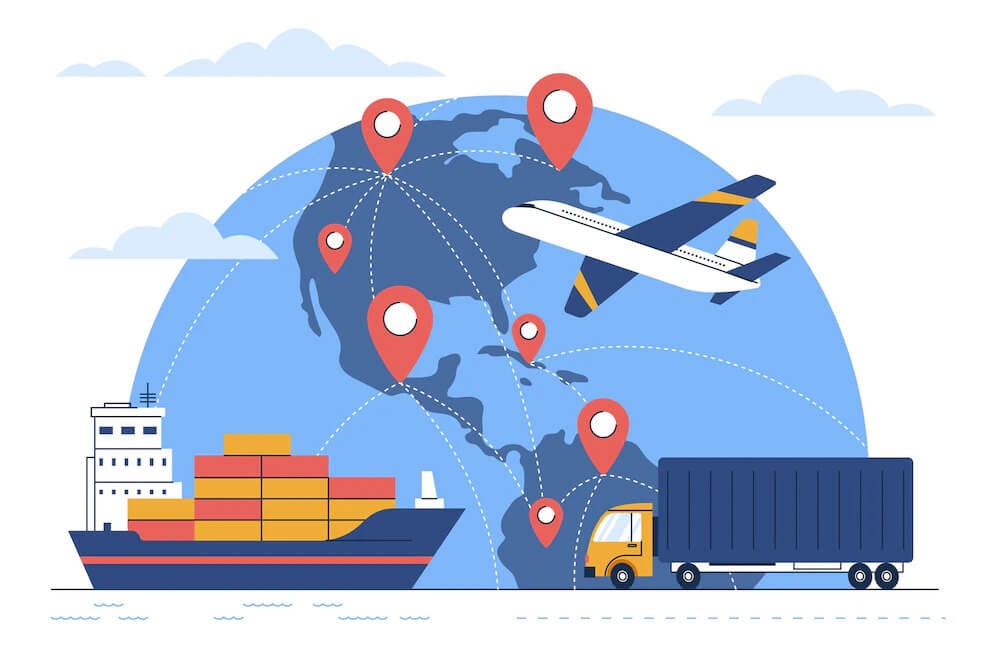
Success Stories: How These Service Providers Thrived Internationally

Discover how service providers have successfully expanded globally, overcoming challenges and leveraging HUBFX for international payments. Learn from their success stories and get inspired!
Introduction
Expanding a service-based business internationally presents a plethora of opportunities and challenges. This article delves into the inspiring success stories of service providers who have managed to thrive on a global scale. Through interviews, case studies, and strategic insights, we explore how these companies overcame obstacles, adapted their strategies, and leveraged HUBFX to streamline their international payments.
The Journey to International Success
Going global is a significant milestone for any business. It requires meticulous planning, market understanding, and a willingness to adapt. The journey of these service providers showcases the resilience and innovation necessary to succeed internationally.
Spotlight on Successful Service Providers
Case Study: Company A
Company A, a digital marketing agency, expanded its operations from the UK to the US and Australia. By understanding local market nuances and tailoring their services accordingly, they managed to capture a substantial market share in both regions.
Case Study: Company B
Company B, a software development firm, faced numerous regulatory hurdles while entering the European market. Through persistent effort and a robust compliance strategy, they not only overcame these challenges but also established a strong presence in multiple European countries.
Case Study: Company C
Company C, a consultancy service, utilized strategic partnerships to penetrate the Asian market. Their success story highlights the importance of building relationships and understanding cultural dynamics.
Interviews with Successful Business Owners
Insights from Industry Leaders
We spoke with several industry leaders to gain insights into their international expansion strategies. They shared valuable lessons on market entry, adaptation, and growth.
Lessons Learned from Expansion
From these interviews, it became clear that understanding local culture, regulations, and consumer behavior is crucial. These leaders emphasized the importance of flexibility and continuous learning.
Challenges Faced in International Expansion
Navigating Cultural Differences
One of the most significant challenges is understanding and respecting cultural differences. Successful companies invest time and resources into cultural training for their teams.
Regulatory and Compliance Hurdles
Each country has its own set of regulations and compliance requirements. Navigating these can be daunting, but it is essential for legal and operational success.
Logistical Challenges
Logistics, including supply chain management and distribution, can become increasingly complex when expanding internationally. Efficient logistical planning is critical to ensure smooth operations.
Unique Strategies Leading to Success
Adapting Business Models
Adapting business models to fit local markets can be a game-changer. This may involve modifying products, services, or marketing strategies to better align with local preferences.
Leveraging Technology
Technology plays a pivotal role in managing international operations. From project management tools to communication platforms, leveraging technology can streamline processes and improve efficiency.
Building Global Networks
Building a network of local partners and stakeholders can provide valuable insights and support. These relationships can facilitate market entry and growth.
Impact of International Expansion on Business Growth
Revenue Growth
International expansion can significantly boost revenue streams. By tapping into new markets, businesses can diversify their income sources and reduce dependency on a single market.
Market Reach Expansion
Expanding internationally increases market reach, allowing businesses to serve a larger customer base and enhance their brand visibility.
Brand Recognition
A global presence enhances brand recognition and credibility. Companies that successfully expand internationally often become more competitive and trusted.
Advice for Newcomers
Preparing for Global Expansion
Thorough market research and a well-defined strategy are essential for successful international expansion. Businesses should evaluate potential markets, understand legal requirements, and plan for cultural adaptation.
Common Pitfalls to Avoid
Common pitfalls include underestimating cultural differences, neglecting regulatory requirements, and failing to adapt business models. Avoiding these can improve the chances of success.
Essential Tools and Resources
Utilizing tools like HUBFX for international payments can simplify financial transactions. Other essential resources include market research reports, legal advisors, and cultural consultants.
Case Study: Using HUBFX for International Payments
Overview of HUBFX
HUBFX is a financial platform that facilitates international payments in multiple currencies, including sterling, euro, and dollars. It offers a seamless solution for businesses managing global transactions.
Benefits of Using HUBFX
HUBFX simplifies the process of receiving and managing international payments, reducing transaction fees and ensuring timely transfers. This allows businesses to focus on growth rather than financial logistics.
Real-world Examples
Several companies have successfully used HUBFX to manage their international payments. For instance, a UK-based consultancy firm expanded into Europe and the US, using HUBFX to streamline their financial operations and enhance their cash flow management.
Conclusion
The success stories of these service providers highlight the potential and opportunities of international expansion. By overcoming challenges, adapting strategies, and leveraging tools like HUBFX, they have achieved remarkable growth and success. For newcomers, these insights and experiences provide valuable guidance on navigating the complexities of global markets.
FAQs
What are the first steps in international expansion?
The first steps include conducting thorough market research, understanding local regulations, and developing a comprehensive expansion strategy.
How can businesses navigate cultural differences?
Investing in cultural training and building local partnerships can help businesses navigate cultural differences effectively.
What are the key benefits of using HUBFX?
HUBFX offers streamlined international payments, reduced transaction fees, and improved cash flow management, making it easier for businesses to operate globally.
How important is local market research?
Local market research is crucial for understanding consumer behavior, market demand, and competitive landscape, which are essential for successful market entry.
What are common challenges in international business?
Common challenges include regulatory compliance, cultural differences, logistical complexities, and financial management.
How can technology facilitate global operations?
Technology can streamline communication, project management, and financial transactions, making it easier to manage international operations.
CROSSBORDER CURRENCY NEWS 
READ BY TAGS 







 Our Collaborations With 80+ Leading Companies & Associations









